

Selecting the Right Truck Class for Winter Operations
Created September 28, 2026
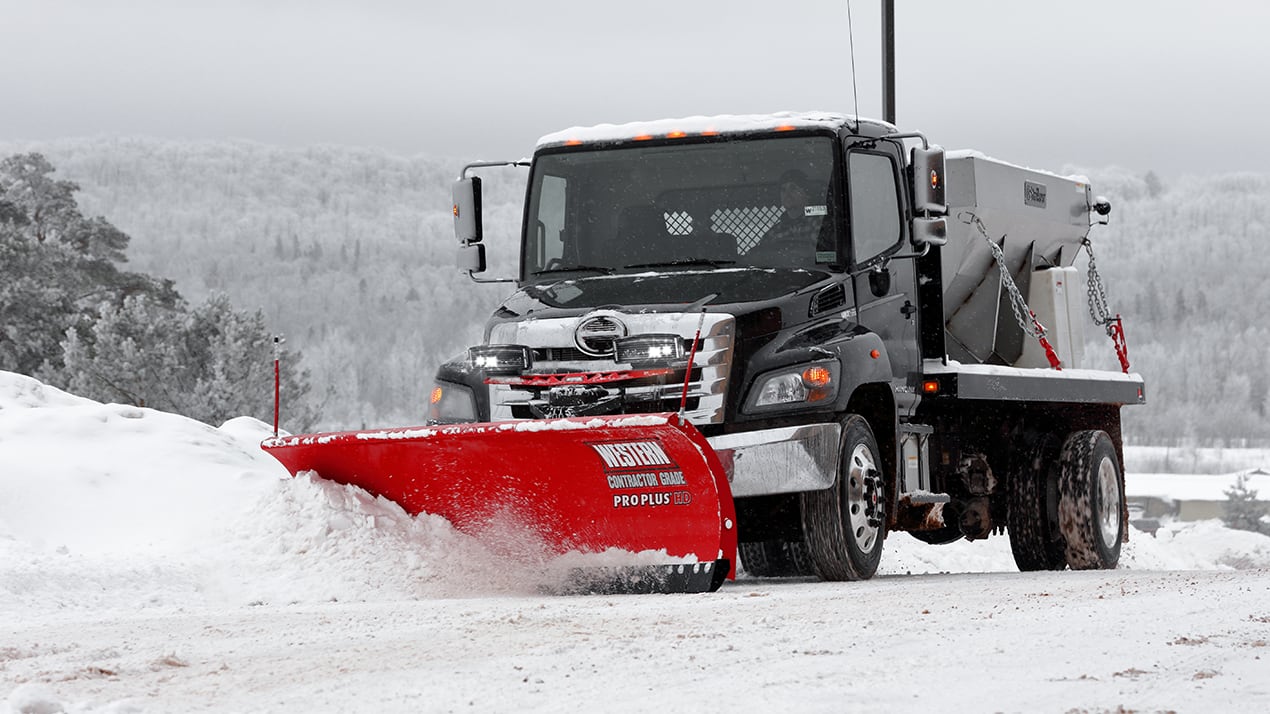
Choosing the appropriate vehicle category is critical for successful winter maintenance. From light-duty pickups clearing residential driveways to heavy-duty dump trucks hauling bulk salt and pushing expansive winged plows, each class fulfills a specialized function in snow and ice control.
- Classes 1–2: Personal/light commercial pickups
- Class 3: Heavy-duty pickup trucks (typical for most snow and ice)
- Classes 4–5: Entry medium-duty commercial trucks
- Classes 6–7: Full commercial heavy-duty trucks
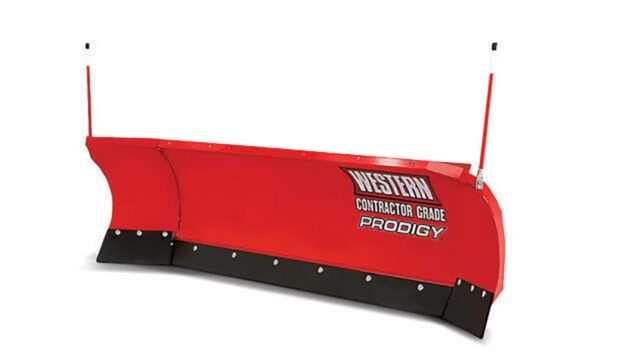
NOTE: Verify that the snowplow is sufficiently wide to clear the path of all vehicle tires. This is a critical factor, as standard plows often fail to cover the wider rear track of dually trucks (such as F-350 or 3500 series models), making them an impractical choice for certain clearing applications.
Understanding Gross Vehicle Weight Ratings (GVWR)
Gross Vehicle Weight Rating (GVWR) is the maximum operating weight a vehicle is legally and safely allowed to carry, as specified by the manufacturer. Because GVWR represents an absolute upper limit, every pound added to the truck directly subtracts from what the vehicle can legally haul. Choosing a heavier engine—such as a robust diesel block instead of a lighter gas engine—consumes hundreds of pounds of the vehicle’s total weight allowance. This leaves less available capacity (payload) for plows, hoppers, and spreading materials.
By calculating GVWR alongside truck classes (Classes 1 through 7), fleet operators and contractors can precisely match equipment to winter demands, maximizing payload without overloading axles.
NOTES:
- Not every vehicle within a specific class is compatible with every plow size across that class’s full range.
- Operating Class 7 vehicles requires a Class B Commercial Driver’s License (CDL).
Ensuring Proper Fitment for Peak Winter Performance
Before purchasing or installing a plow, contractors should verify compatibility with WESTERN® Quick Match. Input exact vehicle specifications to verify that your chosen plow aligns with the truck’s weight capacity. This ensures you select the correct mount and electrical components required for your truck setup.
Common Plow & Spreader Options for Truck Classes 1–7
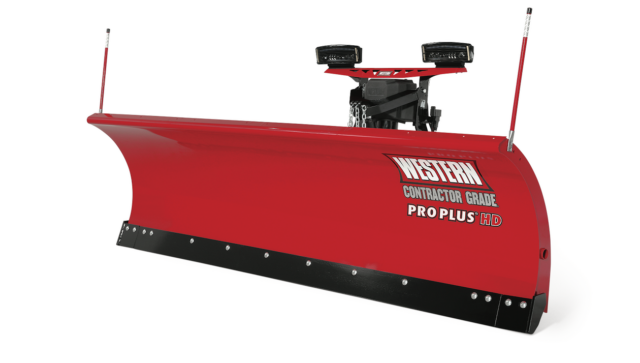
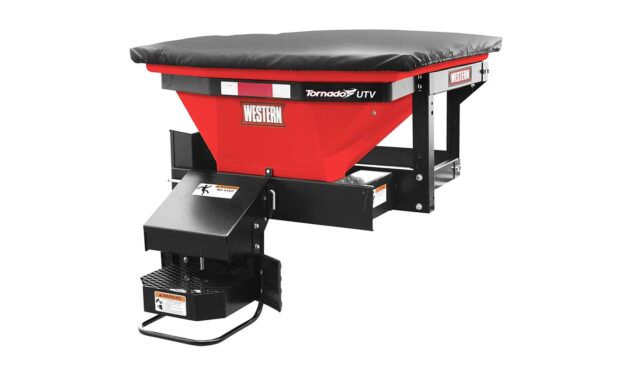
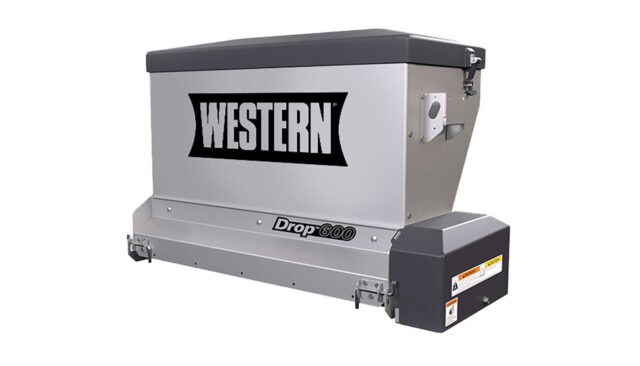
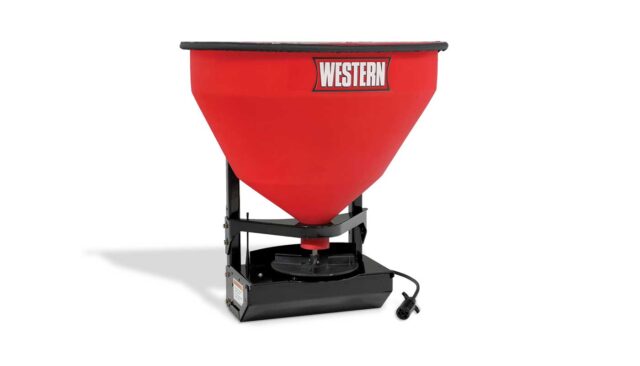
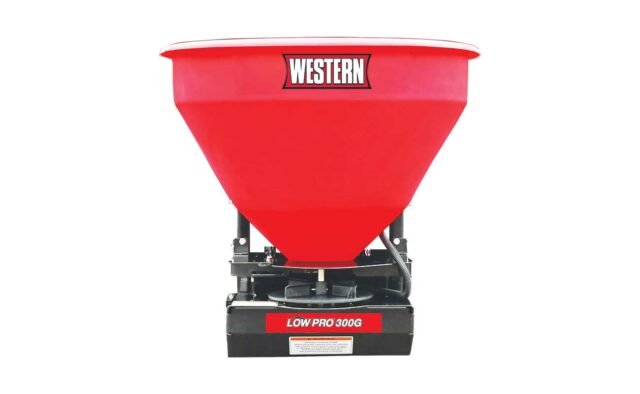
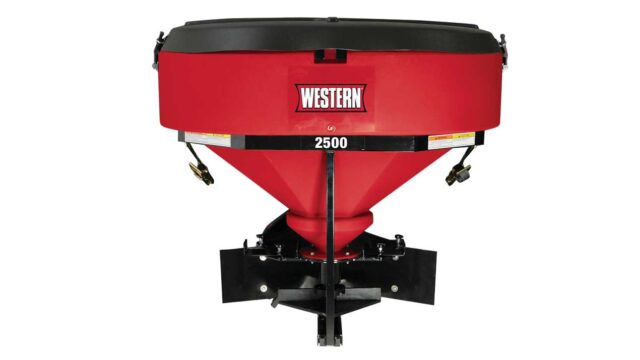
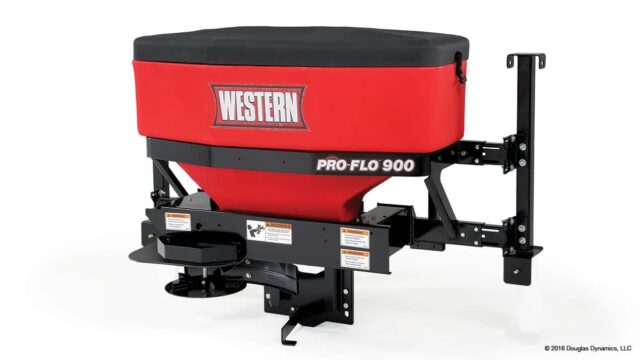
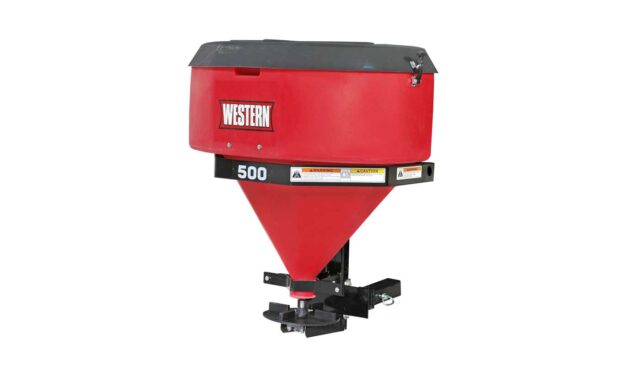
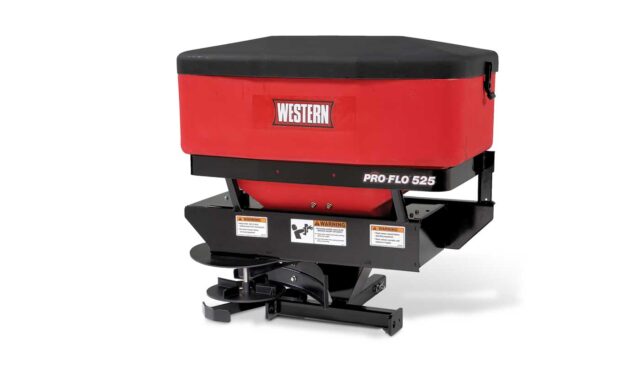
| Truck Class | GVWR (Gross Vehicle Weight Rating) | Common Vehicle Types | Vehicle Examples | Snowplow | Spreader | Icon |
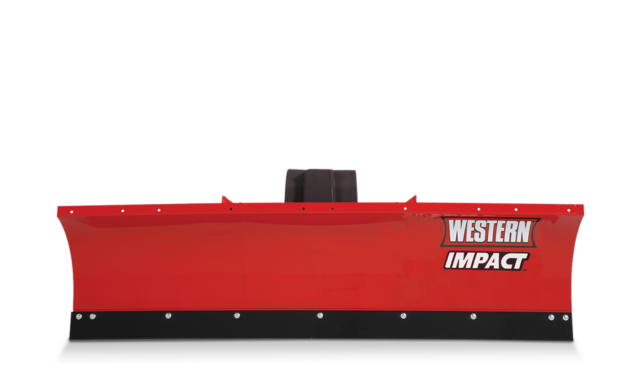
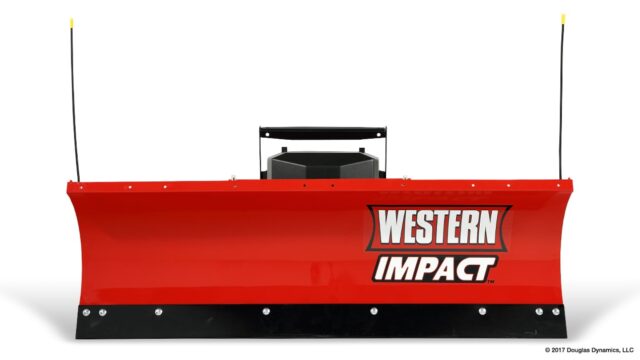
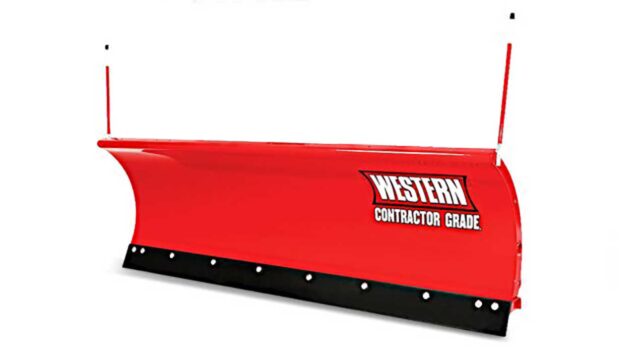
| Class 1 | 0 to 6,000 lbs. | Jeeps, Small SUVs, Compact Pickups | Ford Ranger Dodge Dakota Toyota Tacoma Nissan Frontier Chevy Colorado GMC Canyon | 6’8″–7’6″ Straight Blade | Tailgate Spreader or Small Hopper |  |
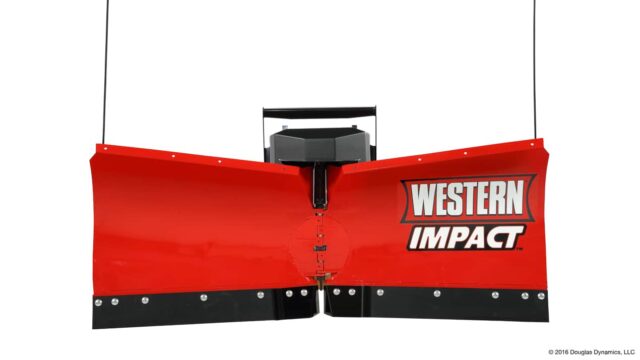
| Class 2A | 6,001 to 8,500 lbs. | 1/2-Ton Pickups | Ford F-150 RAM 1500 Chevrolet 1500 | 6’8″–8′ Straight Blade or V-Plow | Tailgate Spreader or Small Hopper |  |
| Class 2B | 8,501 to 10,000 lbs. | 3/4-Ton Pickups | Ford F-250 RAM 2500 Chevy Silverado 2500 | 7’6″–8′ Straight Blade or V-Plow | Tailgate Spreader or Small Hopper | |
| Class 3 | 10,001 to 14,000 lbs. | 1-Ton Pickups & Chassis Cab Trucks | Chevy Silverado 3500 Dodge Ram 3500 Ford E-350 Ford F-350 GMC Sierra 3500 | 8’–9′ Straight Blade or V-Plow | Mid-Capacity Hopper or Tailgate Spreader |  |
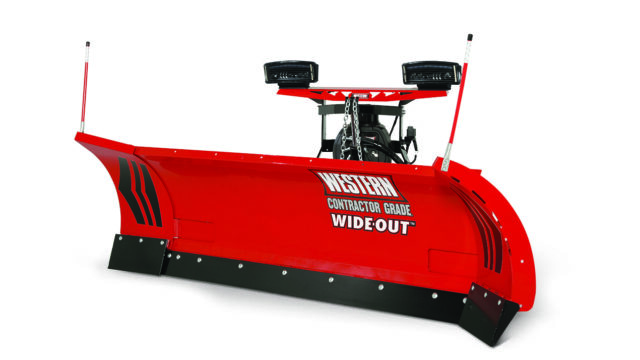
| Class 4 | 14,001 to 16,000 lbs. | Medium-Duty Trucks | Dodge Ram 4500 Ford E-450 Ford F-450 GMC 4500 | 9’–10′ Straight Blade, V-Plow, or Winged Blade | Mid-Capacity Hopper Spreader |  |
| Class 5 | 16,001 to 19,500 lbs. | Large Chassis Cab Trucks | Dodge Ram 5500 Ford F-550 Freightliner M2 GMC 5500 International TerraStar | 9’–10′ Straight Blade, V-Plow, or Winged Blade | Mid-Capacity Hopper Spreader |  |
| Class 6 | 19,501 to 26,000 lbs. | Single-Axle Medium-Duty Trucks | Chevrolet Kodiak GMC Topkick C6500 Ford F-650 Freightliner M2 106 International Durastar 4300 | 10’+ V-Plow or Winged Blade | Large-Capacity Hopper Spreader |  |
| Class 7 | 26,001 to 33,000 lbs. | Heavy-Duty Straight Trucks | Ford F-750 GMC C7500 International WorkStar Mack Granite | 10’+ V-Plow or Winged Blade | Large-Capacity Hopper Spreader | |